The Karnak Temple Complex is a vast collection of temples, gates, chapels, and other buildings, a work in progress for two thousand years, completed at around the time of the death of Julius Caesar. During my visit, only one of the four main temples was open to the public: the Precinct of Amon-Ra. For purposes of this post Ill only write about sections I could visit or see.
After passing through security, paying for my ticket, and walking through the obligatory market, I walked through the half-arsed and forgotten garden, then arrived at the remnants of the Avenue of Rams and the First Pylon.
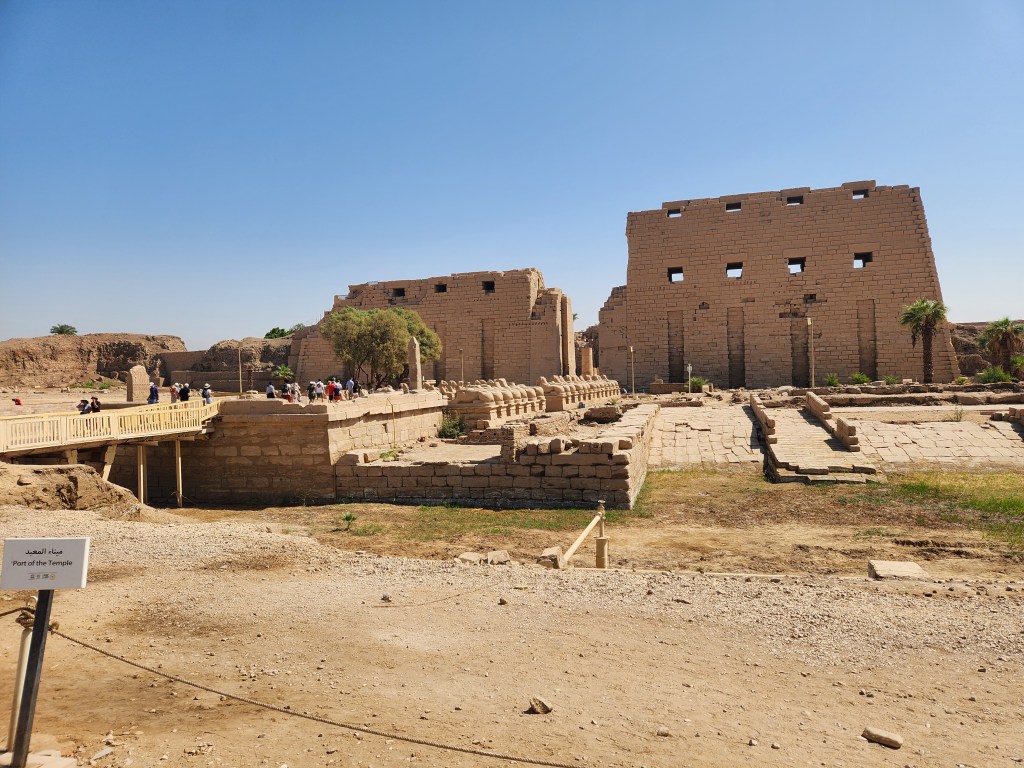
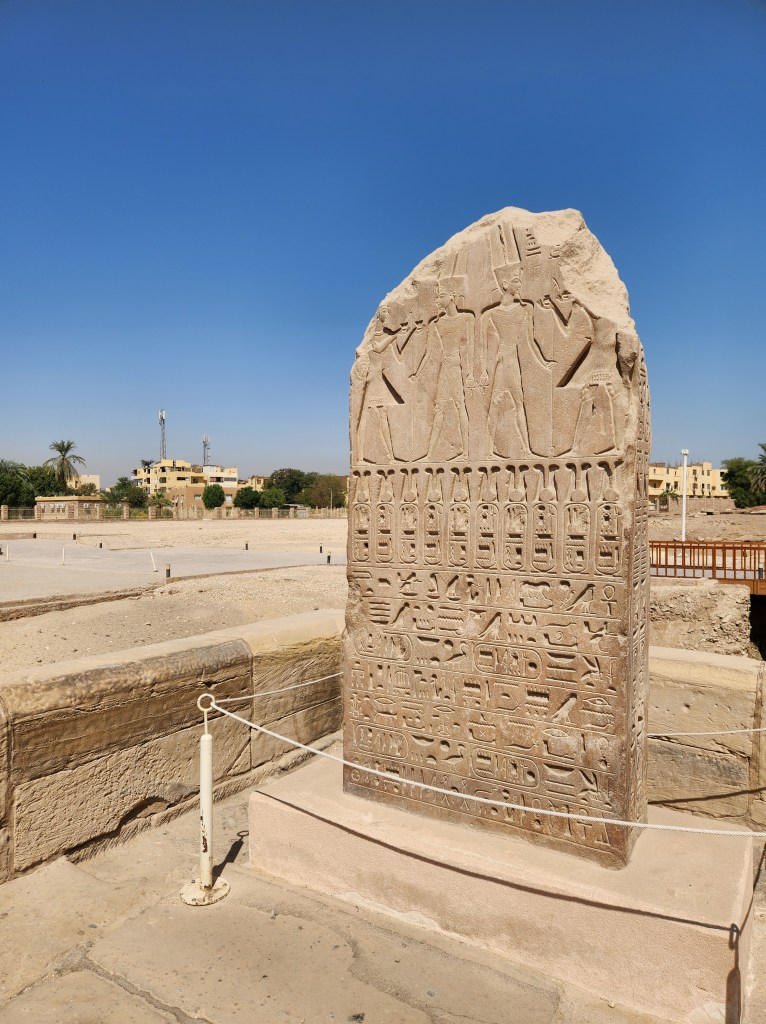
The First Pylon is one of the newer parts of the complex, and was not entirely completed, despite its considerable height, depth, and width. I hate to think how impressive it could have been if it had been completed and left intact. Also nearby was a stele erected by Seti I, to honour himself, shockingly.
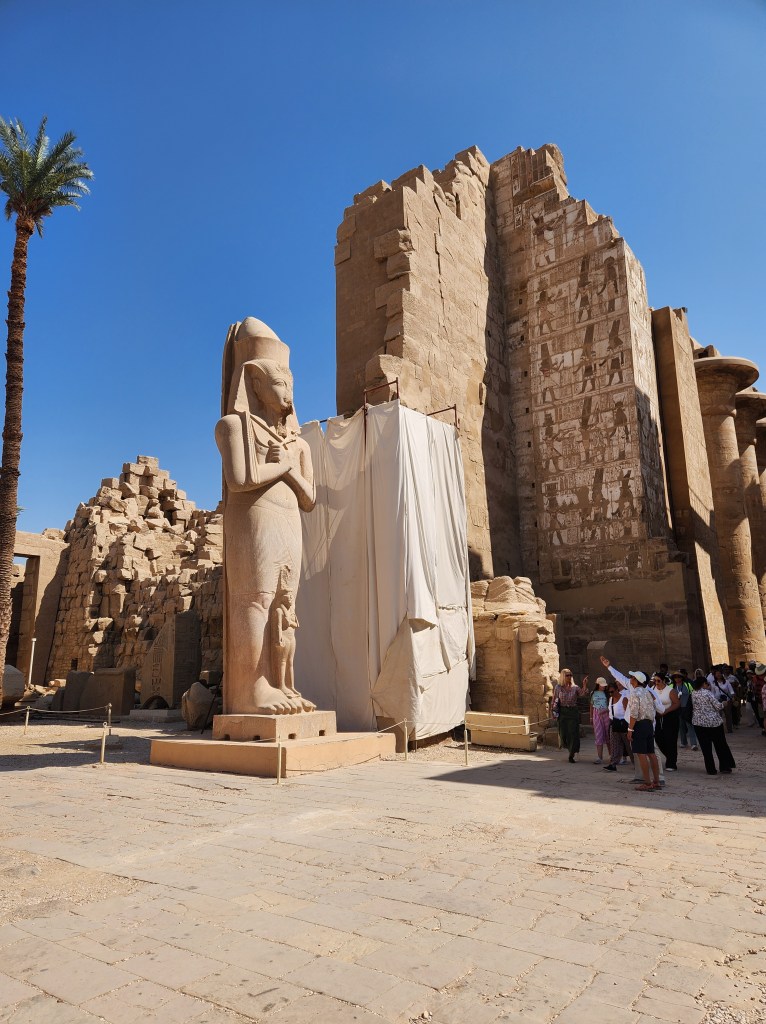
Just inside the First Pylon is a courtyard, featuring a massive statue of Rameses II.
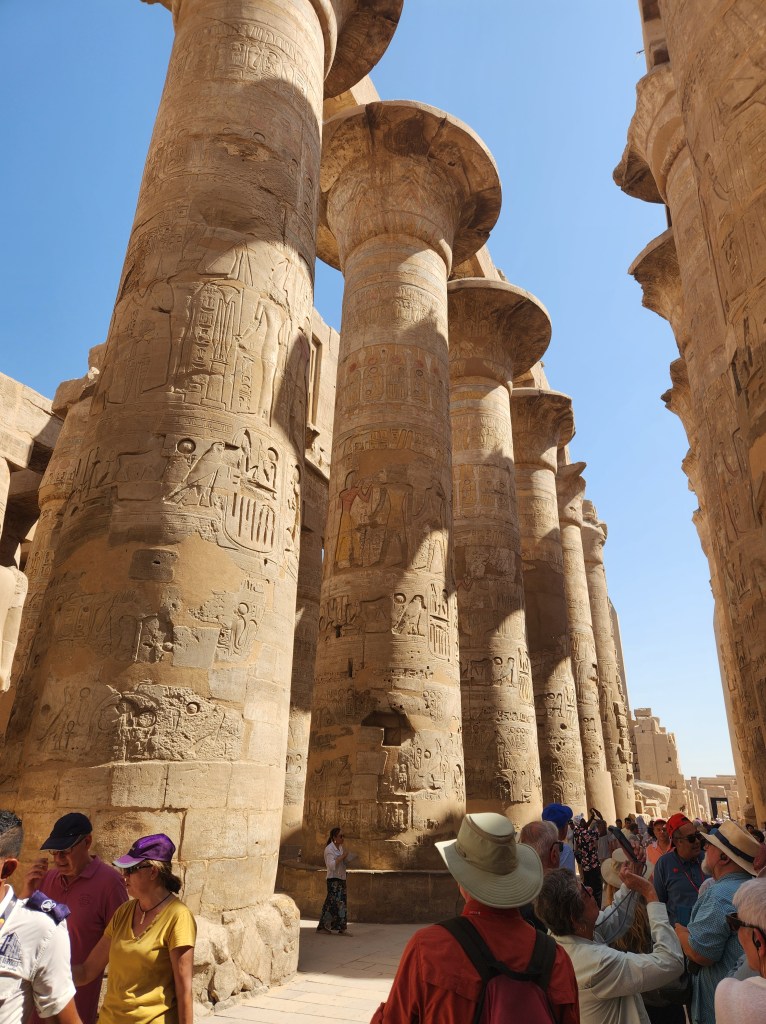
Continuing on through the complex is the Great Hypostyle Hall. Covering over five thousand square metres, a hundred and thirty-four columns supported a long-gone roof. Much like the Luxor Temple, the psychological effects in an era where most people lived in hovels would have been phenomenal: How can Pharaoh not be a god when he can build such a thing? Each column was deeply carved, increasing the effect.
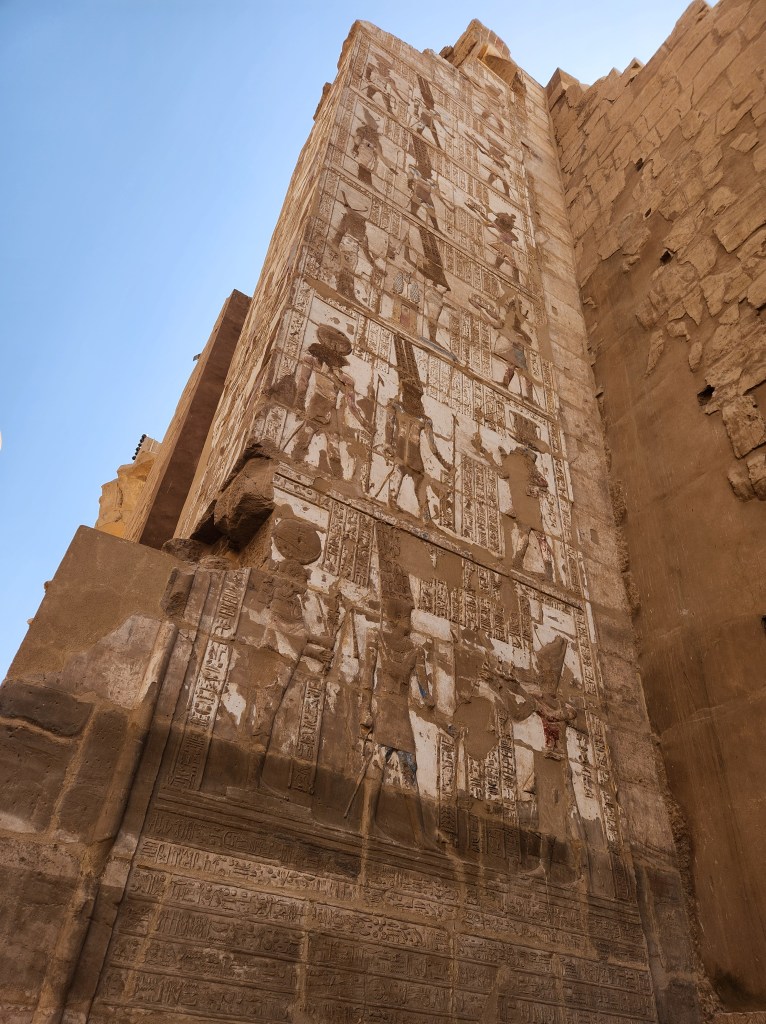
I was also very taken by carvings on a particular wall, depicting scenes of pharaohs involved in military triumphs and rituals.
Passing through the Hall, the next area is the Court and Temple of Thutmose III, larger in size than the Hall but in much worse condition. It does contain a few impressive obelisks, which have somehow not been carted off.
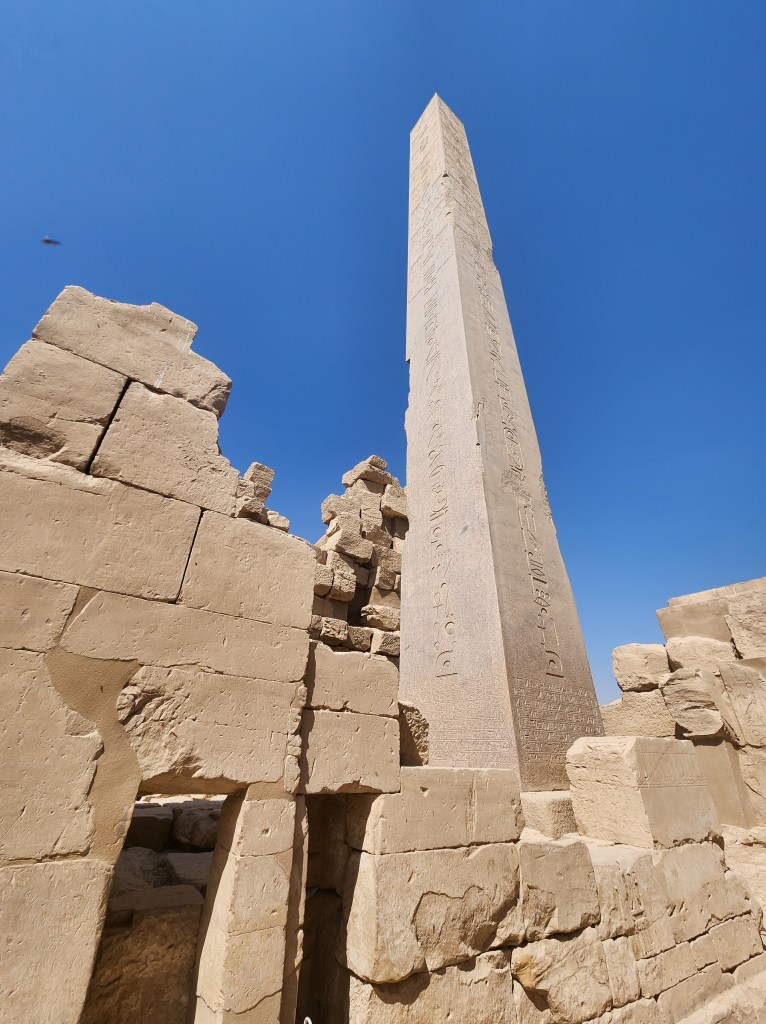
The Obelisk of Hatshepsut is the tallest surviving obelisk from the ancient world, standing at twenty-nine and a half metres tall, making me think it’s almost a shame that it’s part of this complex rather than free-standing somewhere. Queen Hatshepsut had a rare talent, or need to build large and impressive things, and proved that male pharaohs didn’t have a monopoly on grandiose erections.
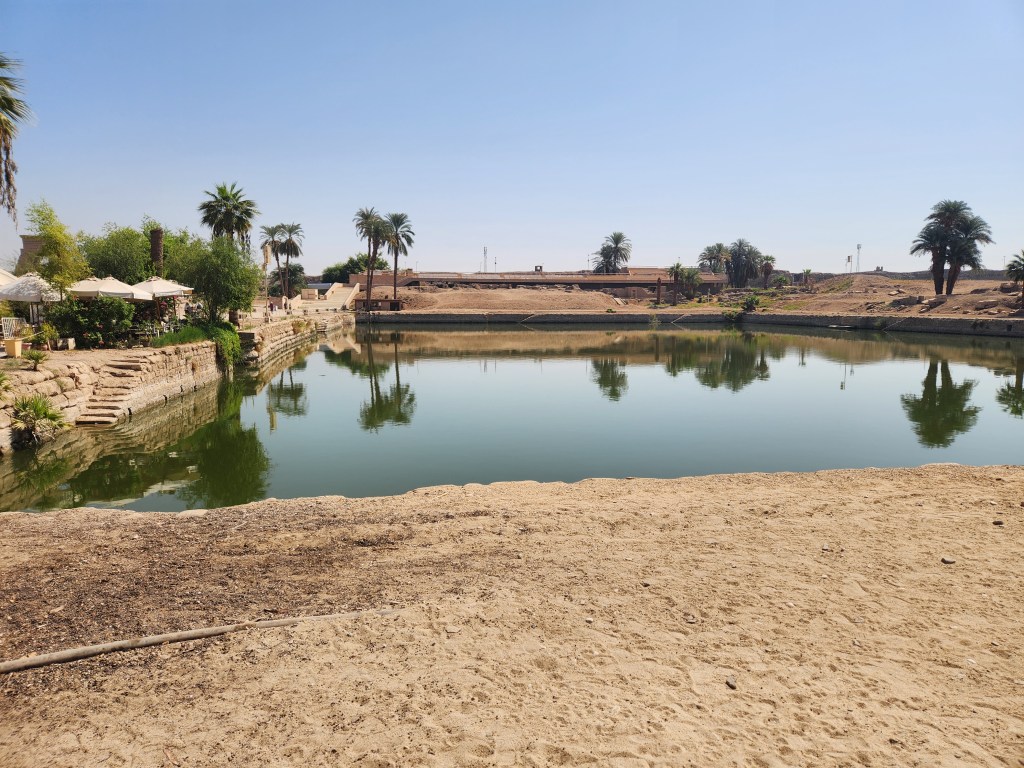
On the outskirts of the temple proper are two sacred lakes, used to conduct cleansing rituals before entering the temple.
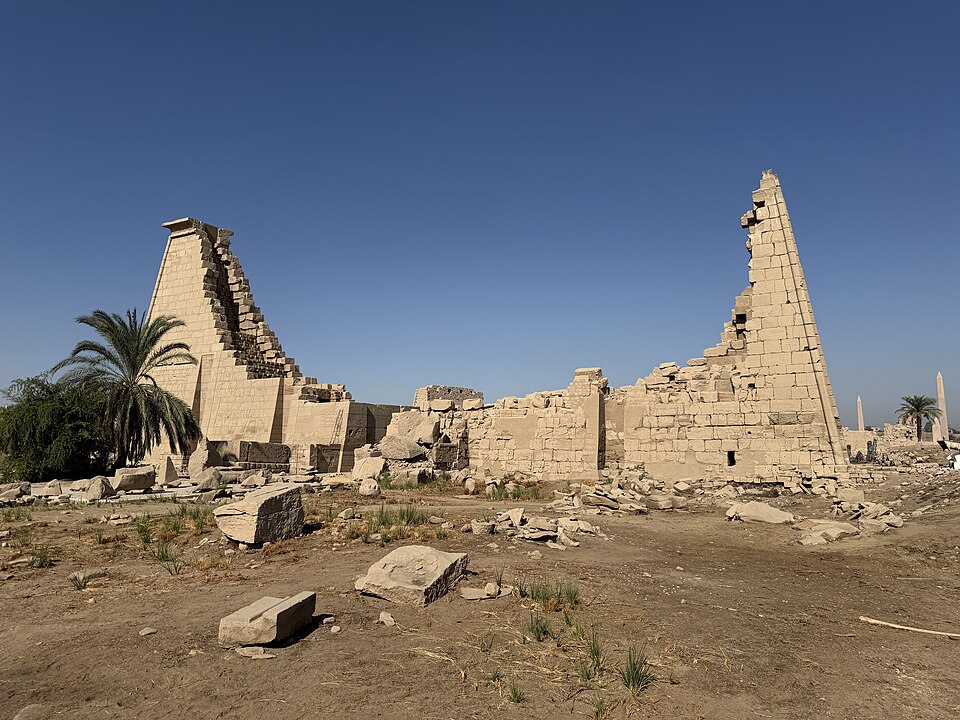
The Nineth Pylon, today in a partially-ruined state, as if the centre of it is excerting great gravitational force, makes for an impressive sight, which apparently was so impressive I forgot to take a photo.
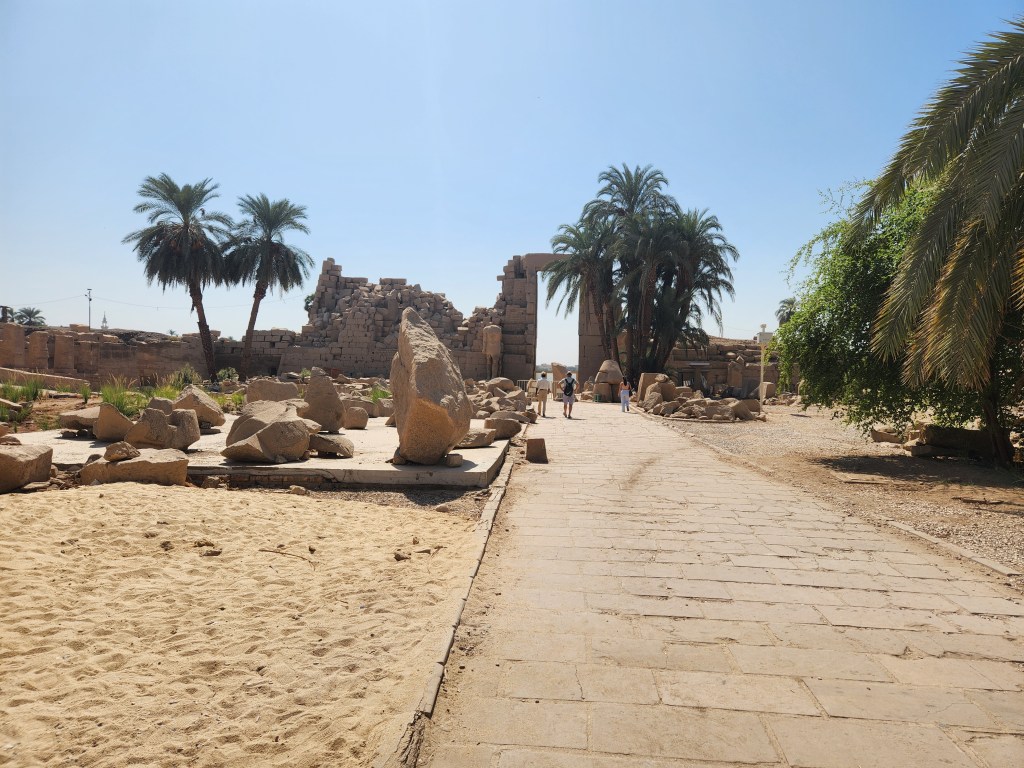
The Eighth Pylon, erected by Hatshepsut, marks the furthest point tourists are allowed, and features great statues, making it a convenient point to end my visit, as by now I was exhausted.

 Adrian's Got The Moose