Things to do in Siwa when you are Sober part II

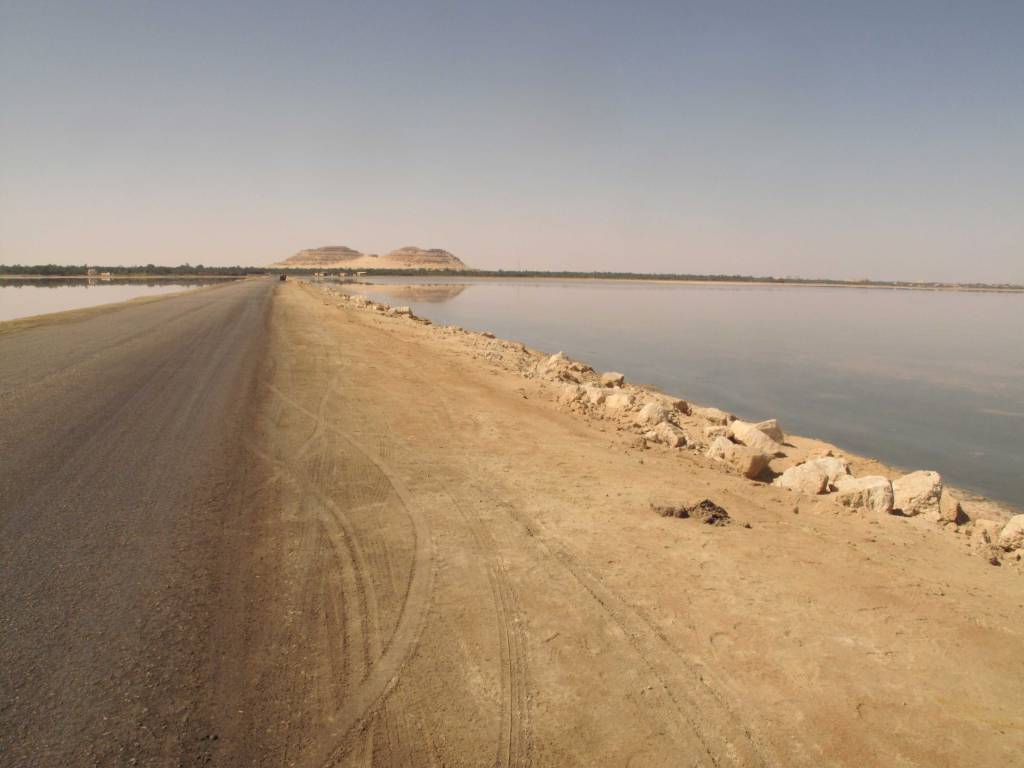
The next day, I made the mistake of spending ten minutes arguing with a tuk-tuk driver to take me to the actual oasis of Siwa. Note to self, never engage the services of anyone wearing Tommy Hilfiger, they have an excessively high opinion of the value of their services. The driver dropped me off near a closed cafe on a causeway through the oasis, and while the landscape had an undeniable desolate beauty, the oasis is huge, and any plan to walk around it was pointless.

I half expected to see human bones roadside.

There was no vegetation to offer shelter from the sun anywhere in sight, and very little of anything else. I suddenly felt very foolish as I took a few photos and started walking back towards town. Luckily ten minutes later, a couple in a late-model Toyota Land Cruiser pulled up, and I managed to bag a lift. I jumped in the backseat, and while the couple, several social and economic levels above anyone I had interacted with in Egypt so far, chatted to themselves in Arabic that seemed more melodic than the Egyptian dialect, I tried to look non-threatening and not sweat on their leather seats. They dropped me off in town near the mosque, and I didn’t insult them by offering payment, but did thank them profusely and shake hands with them before we went our separate ways.

After a few iced coffees and a light lunch at a nearby cafe, I realised there was only one thing I really needed to see in Siwa before moving on.

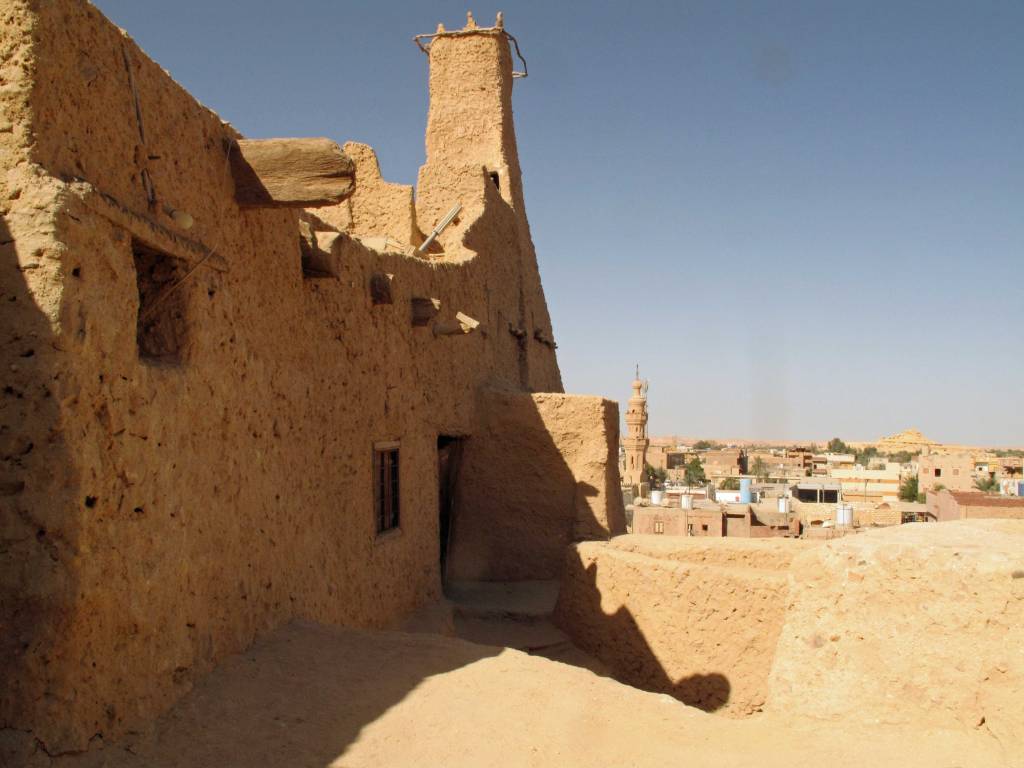
Shortly after I arrived at Siwa, I spotted a partially ruined fort on the hill overlooking the mosque, and I was immediately intrigued.

From where I started, Google Maps led me through a rubbish-strewn alley, along a loose wall of bricks, then advice from a traditionally-garbed man led me through an abandoned home and another alley. I squeezed past some parked motorbikes and unceremoniously dumped myself in an alleyway I was in on my first night in Siwa, which I could have simply walked to from where I had dinner the night before. Stairs hewn into the bedrock led me uphill, and to the ancient mosque, the only part of the fort still in official use.

Ancient Mosque

While I didn’t see anyone around, it didn’t seem like the kind of place people would have liked me poking around, especially considering my complete lack of Arabic, so I continued uphill.

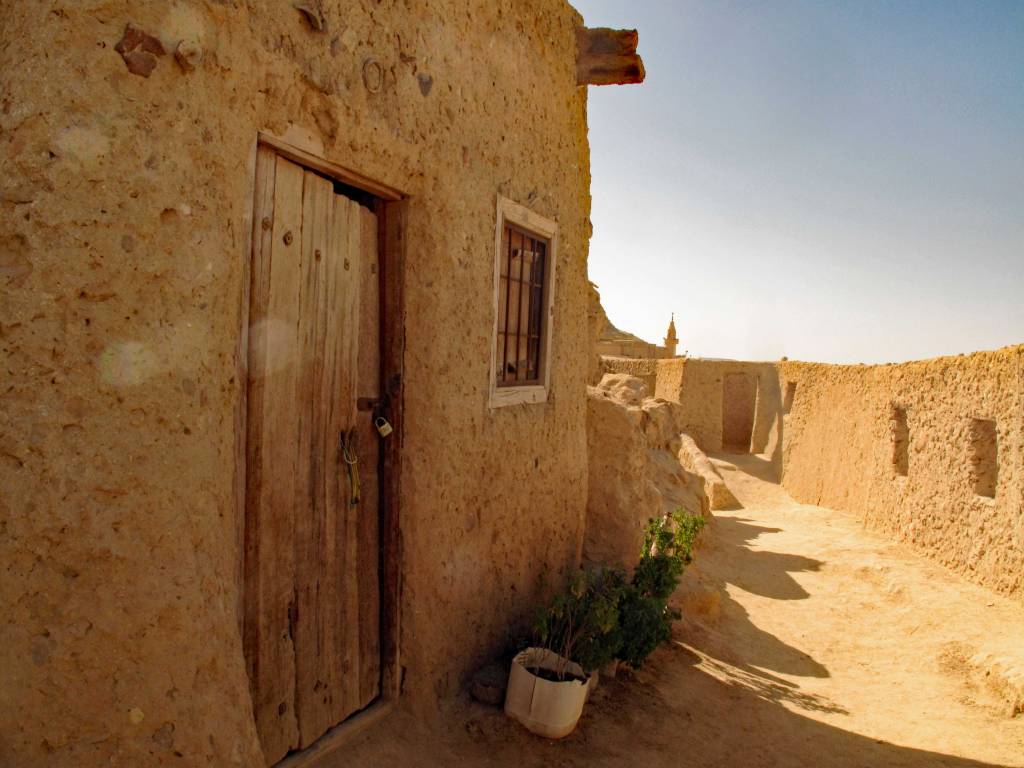
Amongst the ruins, I spotted walled sections that seemed to feature either toilets or small wells, along with a small handful of buildings that were either very small homes or storage rooms, which showed signs of use and upkeep.

But who would bother with plants in a place they were using for storage?

Finally, after scrabbling up worn steps and avoiding an incredibly attractive couple making out while taking selfies, I reached the top.

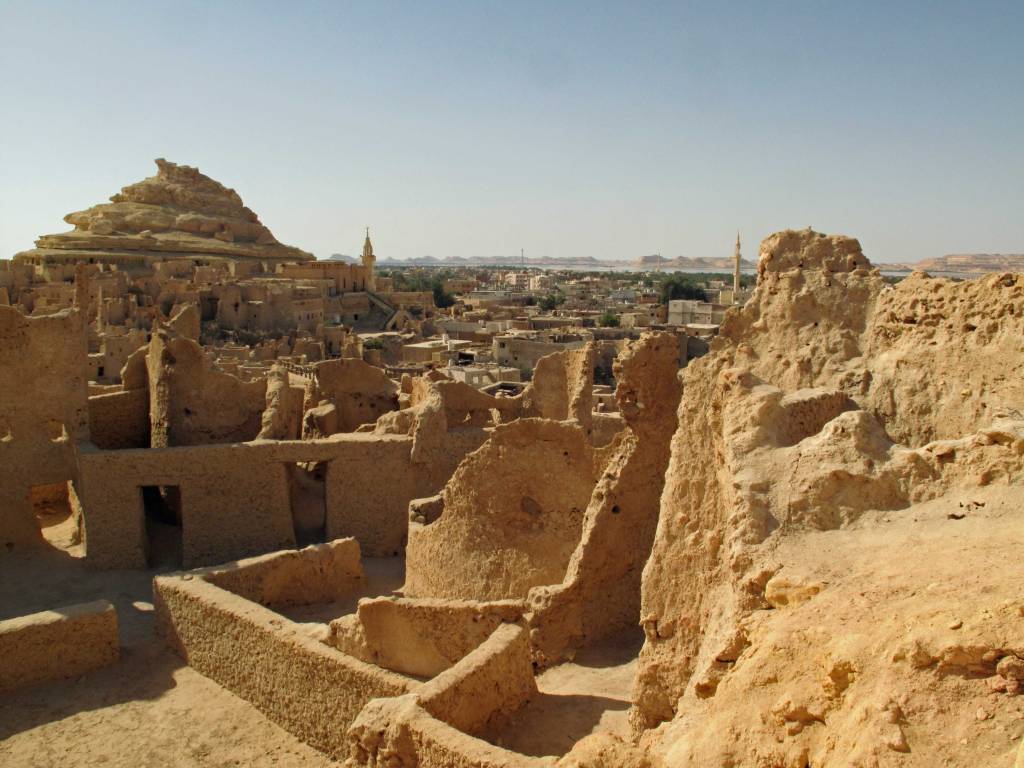
Shali Fortress

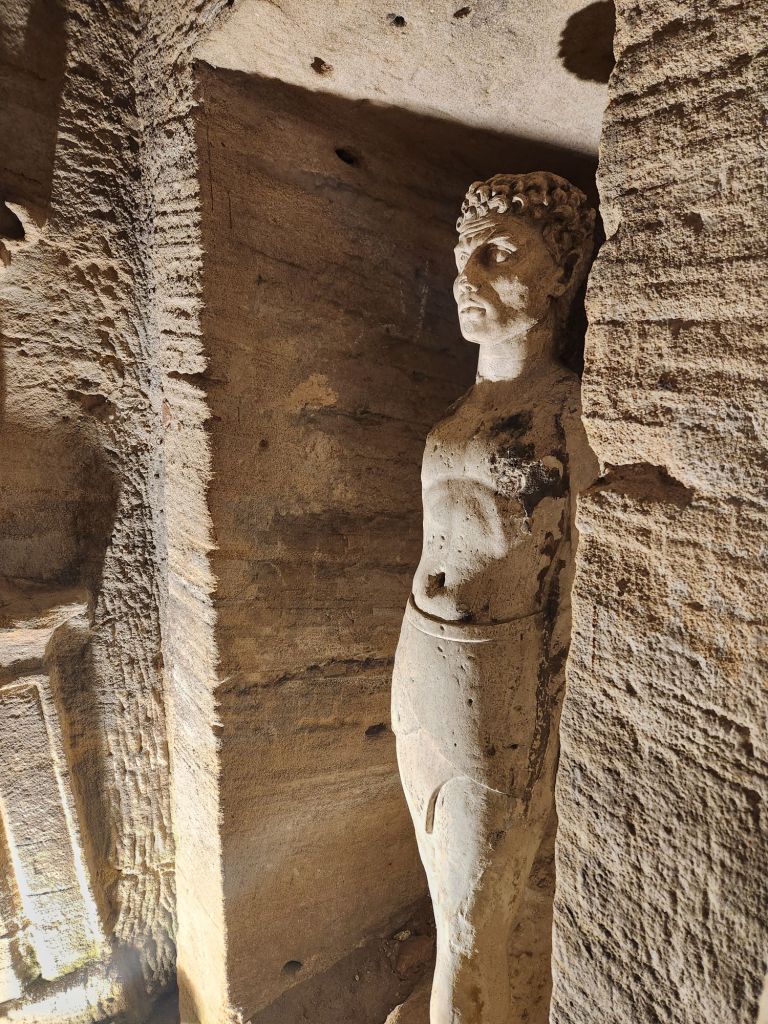
Shali Fortress was built in the twelfth century by Siwi Berbers to defend against the Bedouins. It was constructed from kercheif, a mixture of rock salt and clay. The walls survived many attacks and the passage of time until three days of rain in 1926 caused considerable damage. In 2018, locals, many of the descendants of the original Berbers, partially rebuilt the fortress.

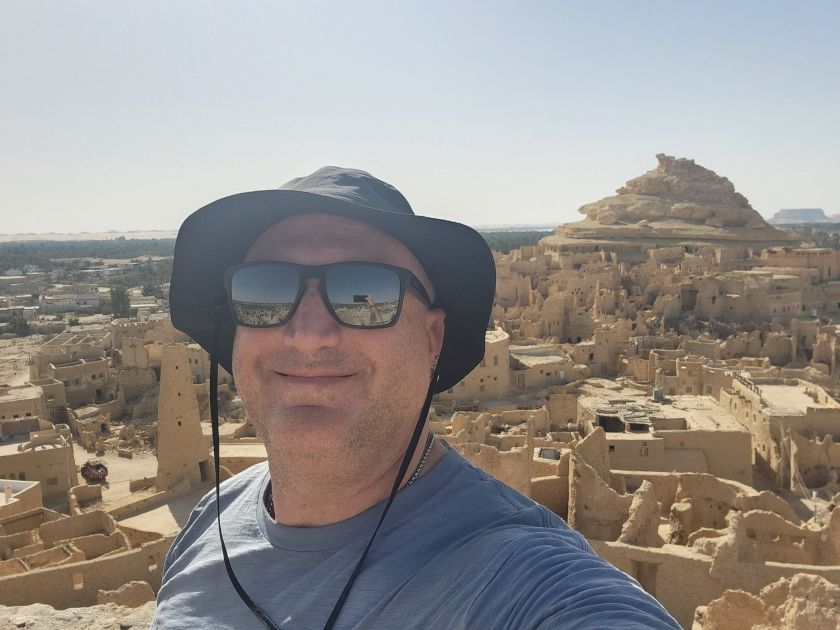
Happy as a pig in shit.

By the time I reached the top, my camera was starting to have issues, so I only have a few phone pics to show for my trouble. I could not help but think about how many people lived and died defending this fort. I suspect I only scratched the surface of the history of this place, and would dearly love to find some books written on the subject. Sadly, I struggled to find a path down to what I thought of as the town square of the fort. I could have done with a guide.

Chaotic Cairo Part I

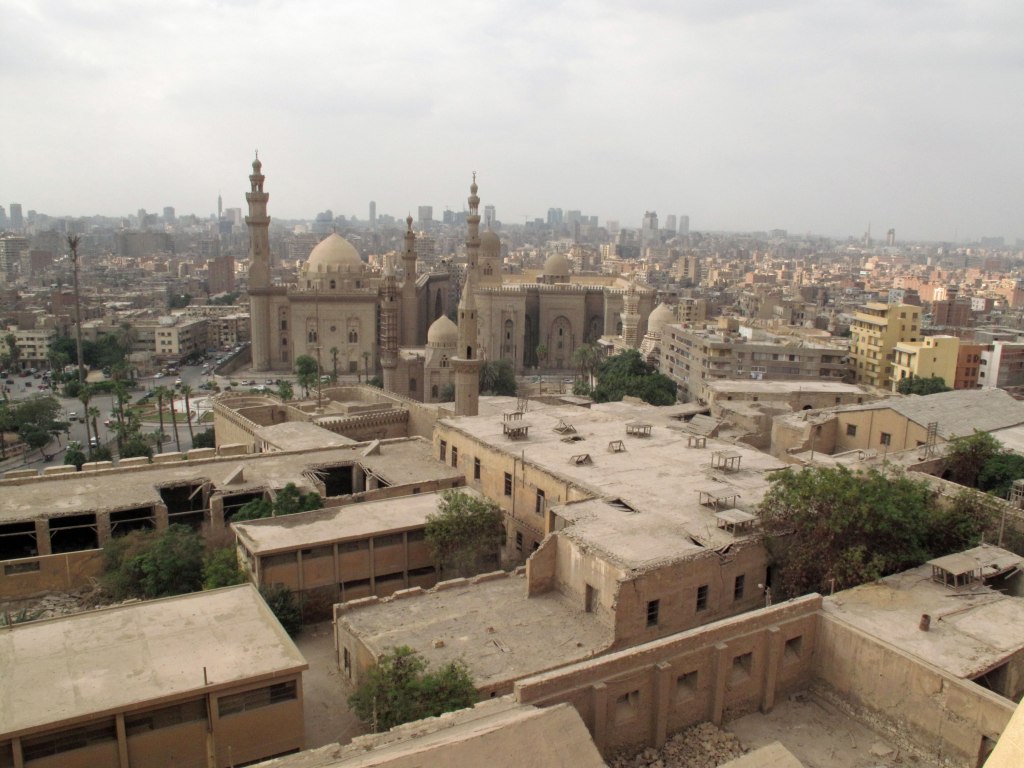
Cairo, the city of a thousand minarets. A city with both feet firmly in the past, trying to sway into the future.

View from The Citadel.

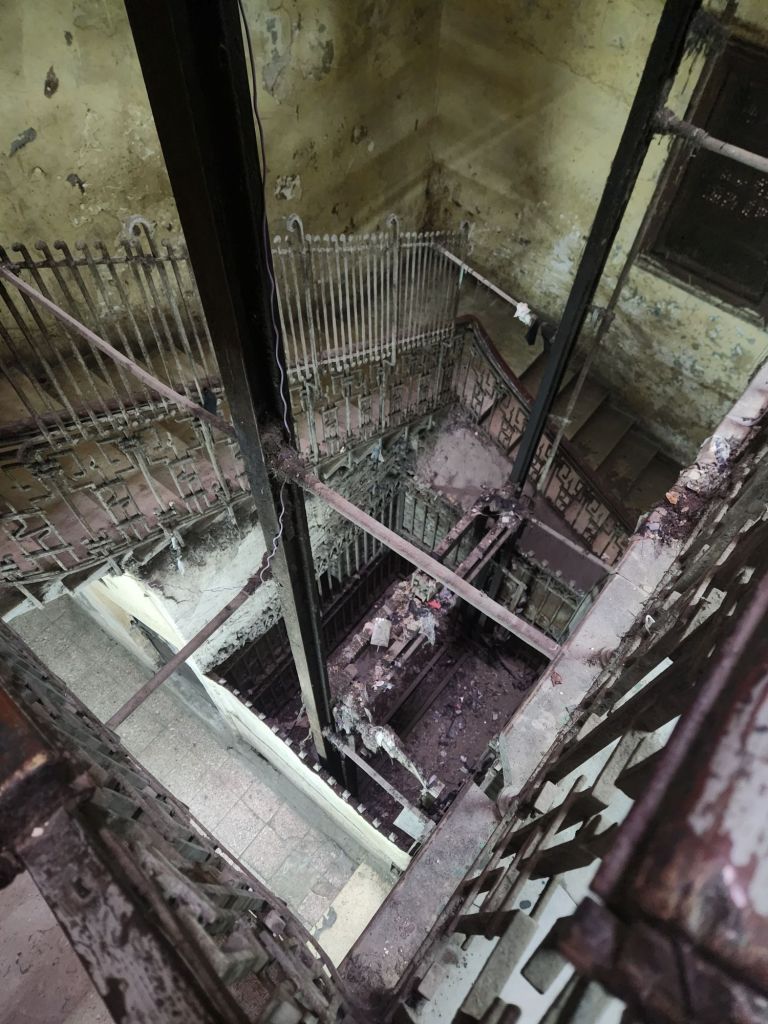
I would love to claim that I booked my hotel in Cairo with deliberate care, with consideration for location, amenities, and reviews. In fact, I booked it after ten seconds of thought, based on price, while frustrated about my lack of progress on planning this part of my trip. My hotel was five stories above an alley dedicated to selling car parts. The staircase wrapped around the old elevator shaft, which had stopped working decades ago.

Would you believe it looks even worse in reality?

The handrails may have once been quite ornate, but any pretense of grandeur had long ago been given up. My room was small, being divided up from a larger suite, two walls made up of unpainted plasterboard, the ceiling peeling paint, and plaster dropping away from the wooden beams. I had to provide my own soap and toilet paper; the shared bathroom did not even feature a bum gun or bucket and jug. It was clean and safe enough, but I took care not to leave anything in my room worth stealing.

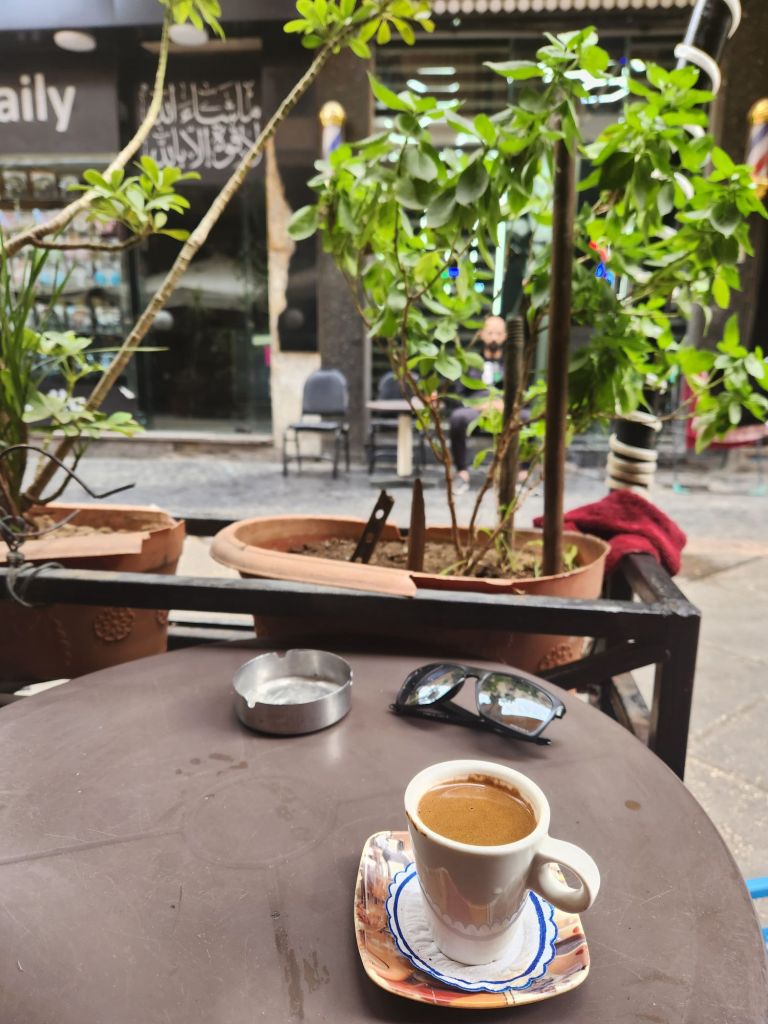
In the morning, I walked a short distance from my hotel and found a traditional cafe in an alleyway. There, I enjoyed my first Arabic coffee since COVID.

Strong, gritty, and without pretension.

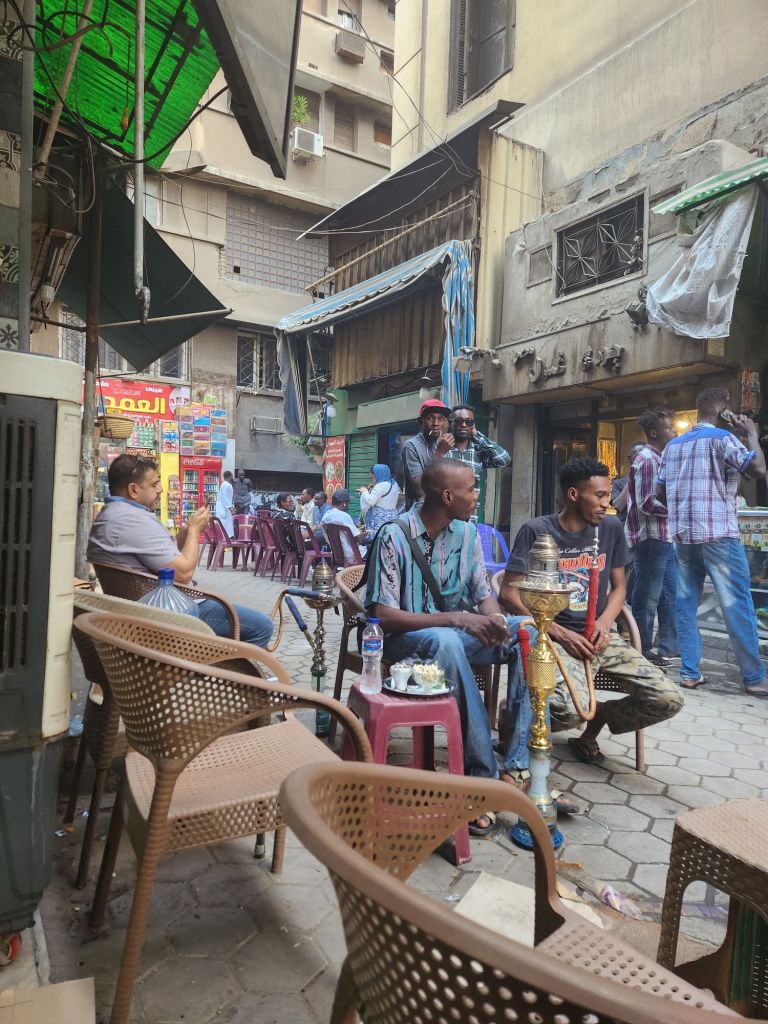
I think what draws me to these sorts of places is that in a world where you are never far away from a Starbucks, these cafes are largely doing business in the same way for the last hundred years. Cash only, coffee brewed by hand above flames, and barely any English spoken. Fully caffeinated, I completed my efforts in returning to full human status by getting a shave and a haircut at a tiny barber shop I passed earlier. I was, however, not feeling up to any serious sightseeing, so I continued walking aimlessly. I got lost in a series of streets lined with shops selling name plaques, name stamps and similar office supplies. When I managed to escape this enclave, I got lost in a series of streets focused on selling lighting fixtures and other electrical parts. Eventually I found myself in an alleyway where the focus was more useful to me; coffee and shisha. I spent a few hours here, drinking coffee, reading, and watching the tide of humanity, which seemed to be darker-skinned than what I expected to see in Egypt, which I assumed to be Nubian.

Tokyo never seemed further away.

There was a lot of traditional dress, traditional three-kisses greetings between men, and, of course, mobile phone use, which was the single sign of modernity, apart from the noise of traffic.

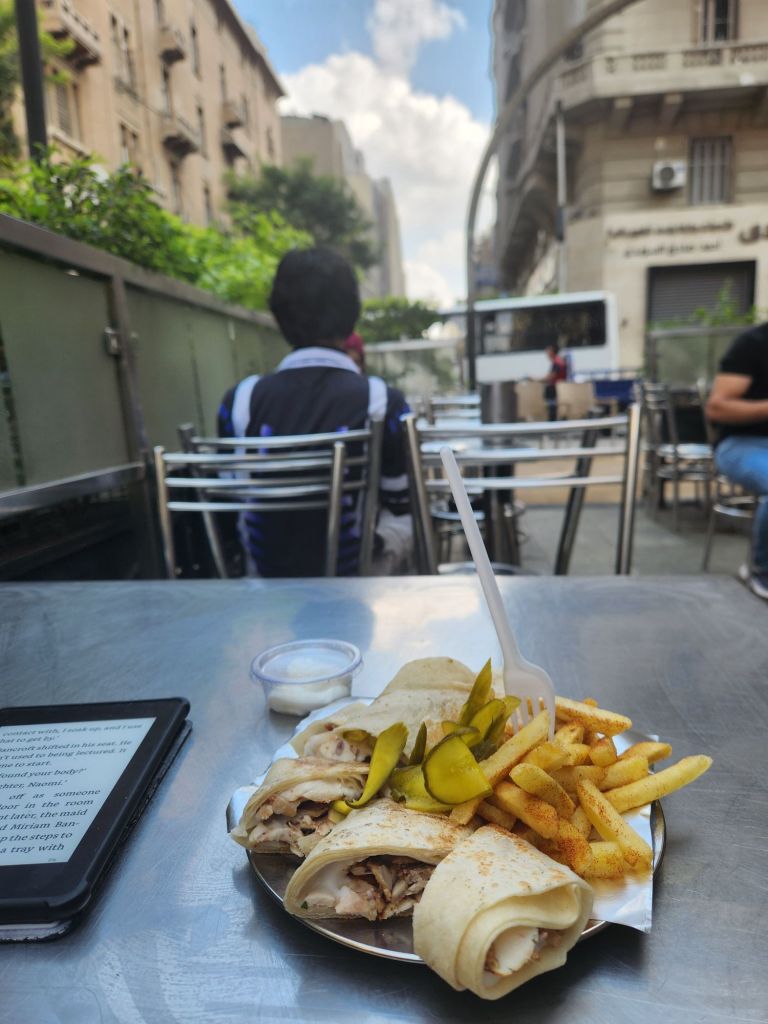
Early evening, I found myself in a pedestrian boulevard, having eaten nothing in Cairo yet, I discovered a no-frills restaurant, which was something of a local favourite.

Cheap and tasty.

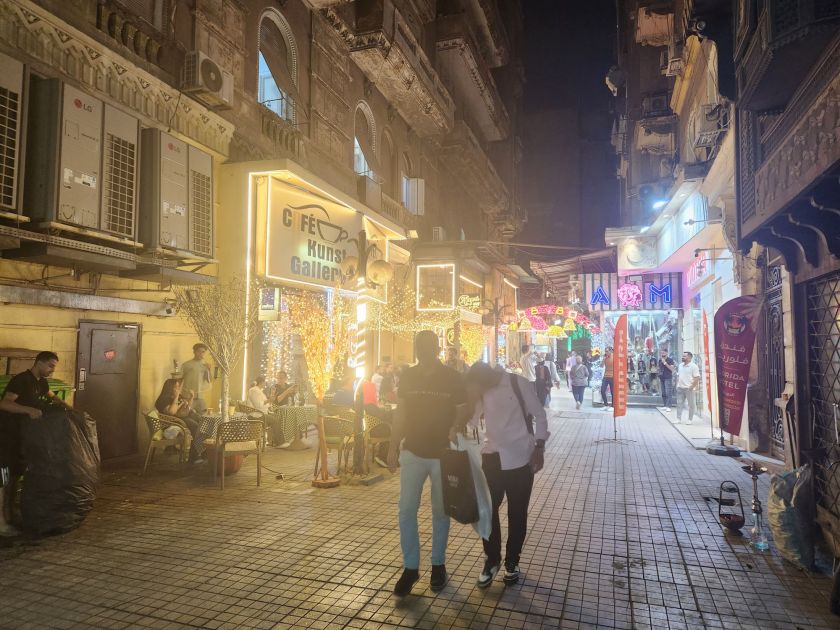
I wandered some more after my early dinner, finding some nice, more modern cafes down alleyways closed off to traffic.

Good mango smoothie.

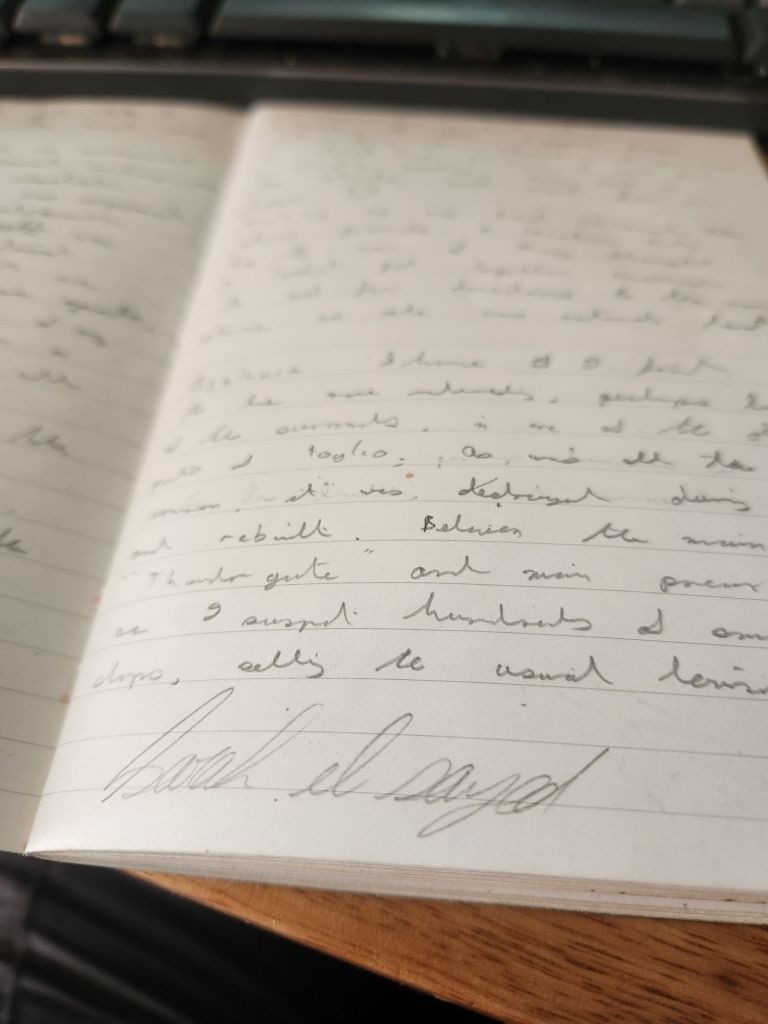
Later, I was craving air-con and a place where I could do some writing unmolested. I walked to a nearby McDonald’s and ordered a tea from the kiosk before heading upstairs. After waiting half an hour, another patron took pity on me and sent a staff member to find out what was going on. Sarah appeared and commented on my handwriting being much like hers, then proved herself wrong by writing her name in my notebook much neater than I could ever manage.

See?

When Sarah returned to me with my tea, I handed her one of my mini business cards, which delighted her, but she seemed to make a point in accepting it as a souvenir rather than any interest in contacting me. My hopes of gaining a beautiful Egyptian girlfriend dashed, I drank my tea and returned to my hotel to climb the stairs, alone and rejected.

On the Subtle Art of Washing your Testicles Amongst other Sets of Testicles

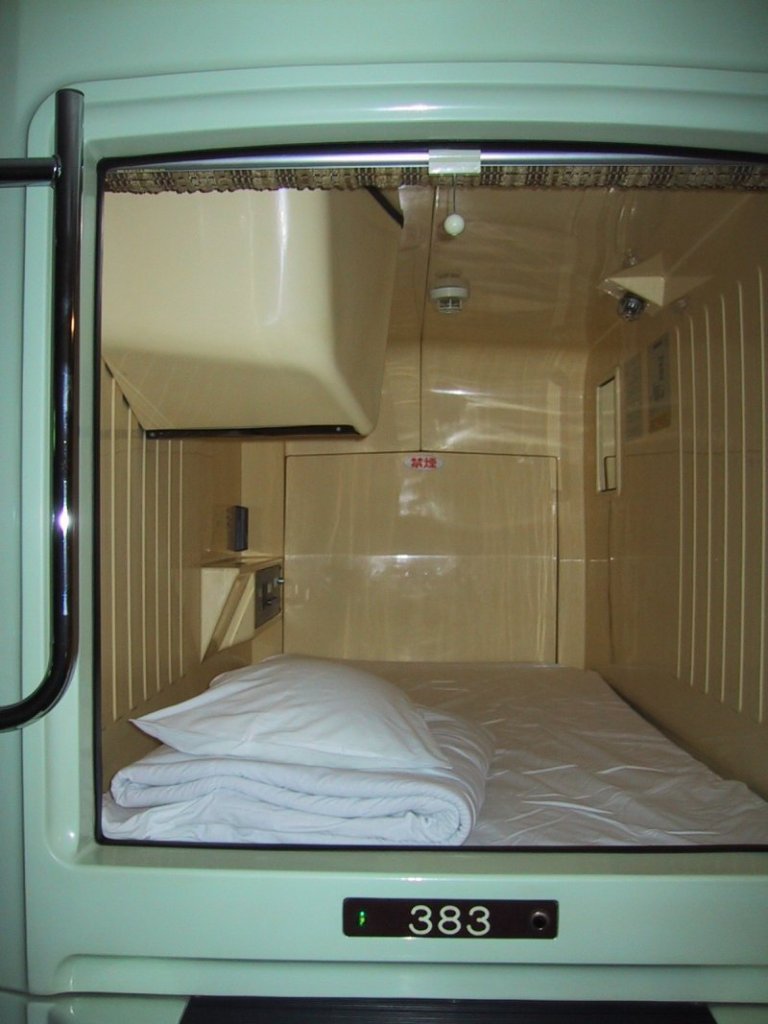
I have stayed in capsules (also known as pods, or coffins if one is feeling disparaging, or claustrophobic) in Singapore, Bangkok, Jerusalem, and Phnom Penh. But this is the first time I have stayed in a purpose-built capsule hotel. Japan, of course, is where this method of accommodation originated, with the idea that drunk salarymen who missed the last train home needed a cheap place to sleep, sober up, and start again in the morning. It’s the same thought process that leads convenience stores in Japan to sell underwear and socks. For budget travellers in a country known for being tough on even a generous travel budget, they are an ideal alternative to hostels, providing a place to sleep, attend to personal hygiene, and to have a tiny piece of privacy, which is in short supply in Tokyo.

By Chris 73 / Wikimedia Commons, CC BY-SA 3.0, https://commons.wikimedia.org/w/index.php?curid=19656 Same model capsule as in my hotel.

Two things bugged me about this capsule hotel. The first being the fact that even with my multiple-night booking, I still had to vacate the hotel by 1100 every day, and my belongings evicted to a tiny locker or the luggage storage room on the top floor. The second was the public baths, which were the only option for bathing for men staying at this hotel.

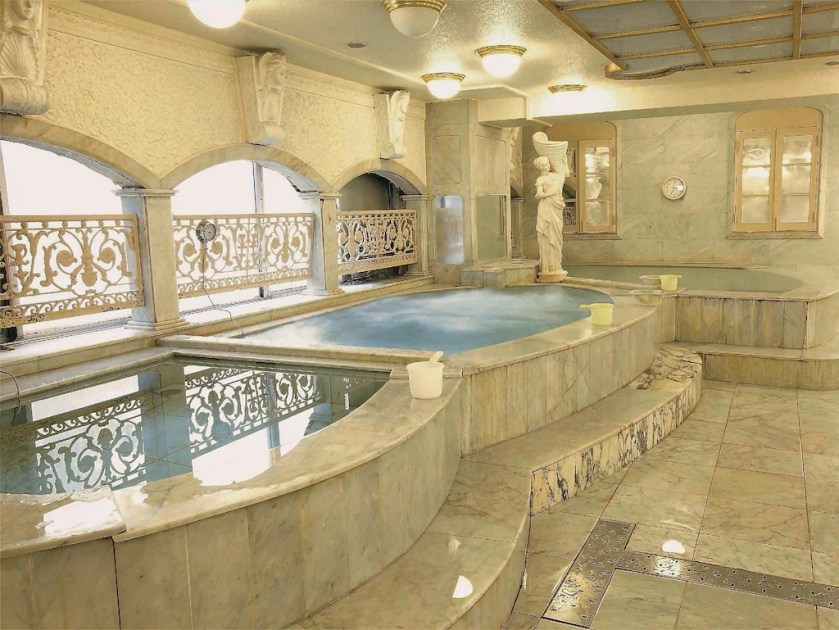
You strip naked at your locker, and enter the main bathroom, where you sit at a plastic stool set in front of a set of taps and a wall-long mirror. Shower gel and shampoo are provided, and here is where you lather up your entire body, scrub, and then rinse off. Once you are clean enough, you are free to have a soak in one of the spa baths or use the sauna.

Naked men omitted.

Now you are clean and relaxed, you sit at what amounts to bathroom sinks, and brush your teeth, do your hair, shave, etc.. Still, during all this, you are supposed to be completely naked. Once again, I was supplied with a hair dryer with no hair to dry. Once you are satisfied with your appearance, or at least manage to delude yourself that you are in fact highly attractive, you discard your towel and dress in the super sexy robes provided by the hotel, and lounge around for the rest of the night.

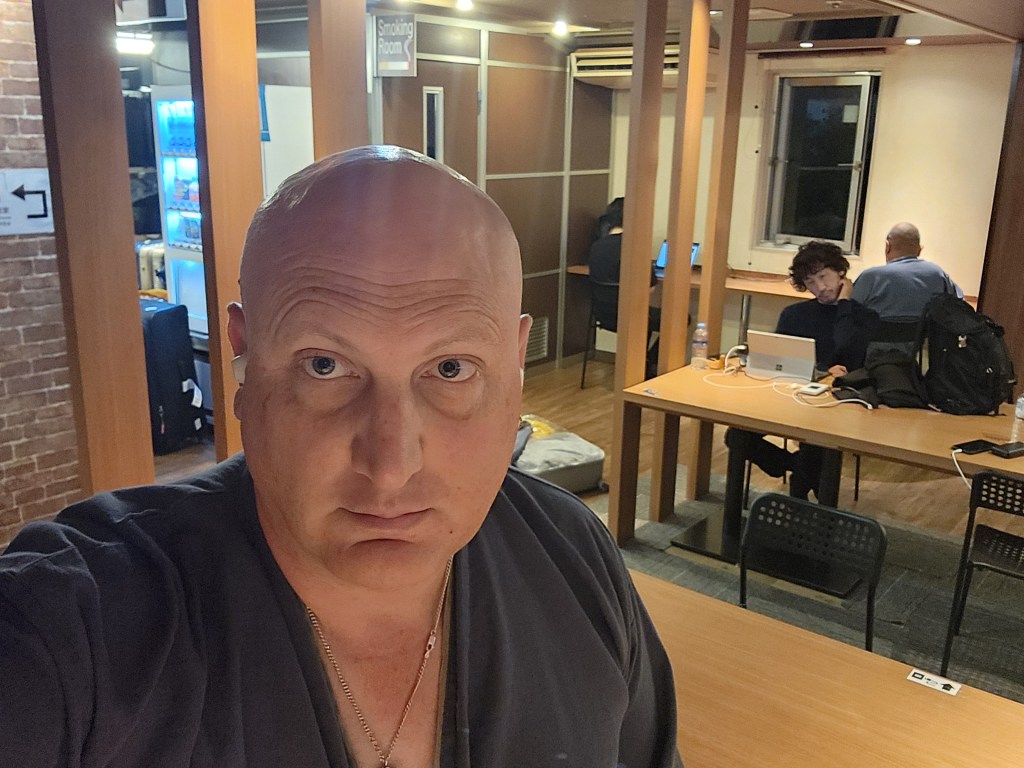
With every selfie, the eye bags get a little bigger.

The Japanese, of course, take all this nudity in their stride. It’s part of their culture, and I suspect they think no more about it than I do when getting changed at gyms. They don’t exactly strut around, but act as if its the most normal thing to be naked, which of course it would be if we didn’t get screwed over by a snake.

Numerous times in my five-night stay, I used this shared space every night, and every night I noticed a new resident walk in, look confused, look for the shower stalls they were expecting, before trying to look nonchalant and getting on with it. Most notably was a six foot six African gentleman, who had more muscle mass in his neck than I can claim all over, looking around bashfully, trying to wrap the towel around himself modestly (they seem to be made so you cannot quite do this) before getting on with it like everyone else. This was in constrast to the fact that he had nothing to be bashful about, having a body that most of us are envious of.

At first I was also awkward, but after the second night, I got used to it and enjoyed the process. Then it got routine, then tedious. By the last night, I was wishing I could just have a quick shower without getting involved in a ritual. I was also thinking that at some point I was going to get up arse up, slipping on the slippery tiles-Who thought that was a good idea? I’ll tell you one thing about bathing in company, it does wonders for your willingness to take your time washing everywhere when you are surrounded by men doing the same.

Kanchanaburi, Kittens and Kindness

Kanchanaburi is a town west of Bangkok, made somewhat famous by its proximity to the Thai-Burma Railway. The Thai-Burma Railway was built by POW labour and indentured workers, victims of the Japenese’s need to join up their empire by rail during World War 2. An estimated fifty thousand POWs, and one hundred and eighty thousand South East Asian workers were forced to work on the railway, where brutal conditions and the brutal treatment by Japanese soldiers competed for the men’s lives. It has been said that every railway sleeper laid cost a man’s life. Half of the men who toiled on the Death Railway died during its construction. If not for the 1957 movie Bridge over the River Kwai, few people outside the Commonwealth would know about the atrocity.

By “Copyright © 1958 Columbia Pictures Corporation.” – Scan via Heritage Auctions. Cropped from original image., Public Domain, https://commons.wikimedia.org/w/index.php?curid=86238561

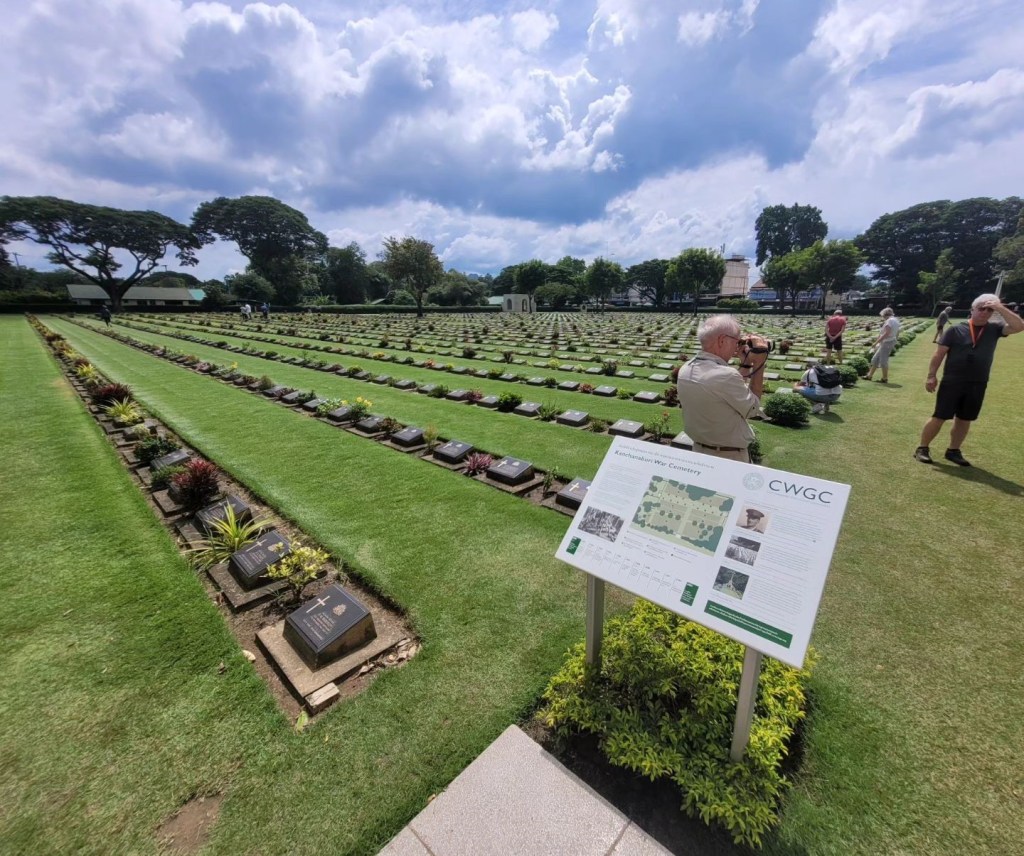
The first stop in my pilgrimage was the Kanchanaburi War Cemetery, a short walk in the blistering heat from my hostel. The cemetery contains the remains of six thousand, nine hundred and eighty-two Australian, Dutch, and British POWs, and is maintained by the Commonwealth War Graves Commission, and works are conducted by local workers, to a high standard in my opinion.

I like the varieties of plant species.

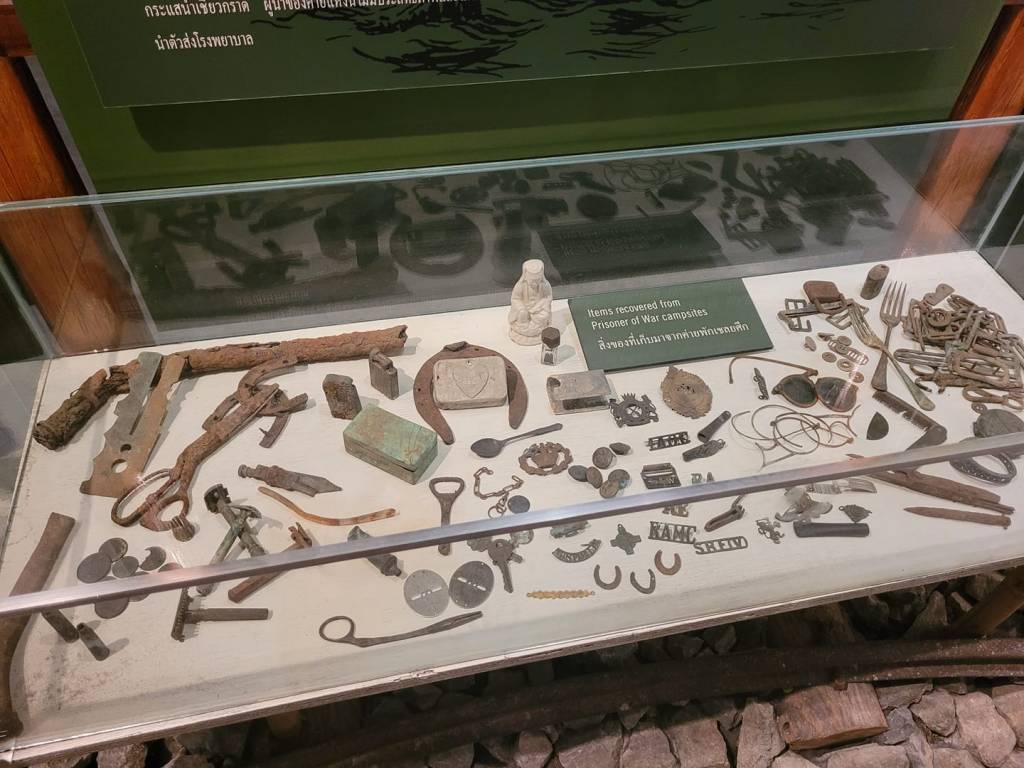
Over the road was the second stop in my pilgrimage, the Australian-run Thailand-Burma Railway Centre, a museum displaying many artifacts from the railway.

That DE Razor looks like it could be cleaned up and put to use.

The centre puts the terrible conditions in context, including the small box car many POWs were transported in like sardines, with no ventilation and toilet facilities.

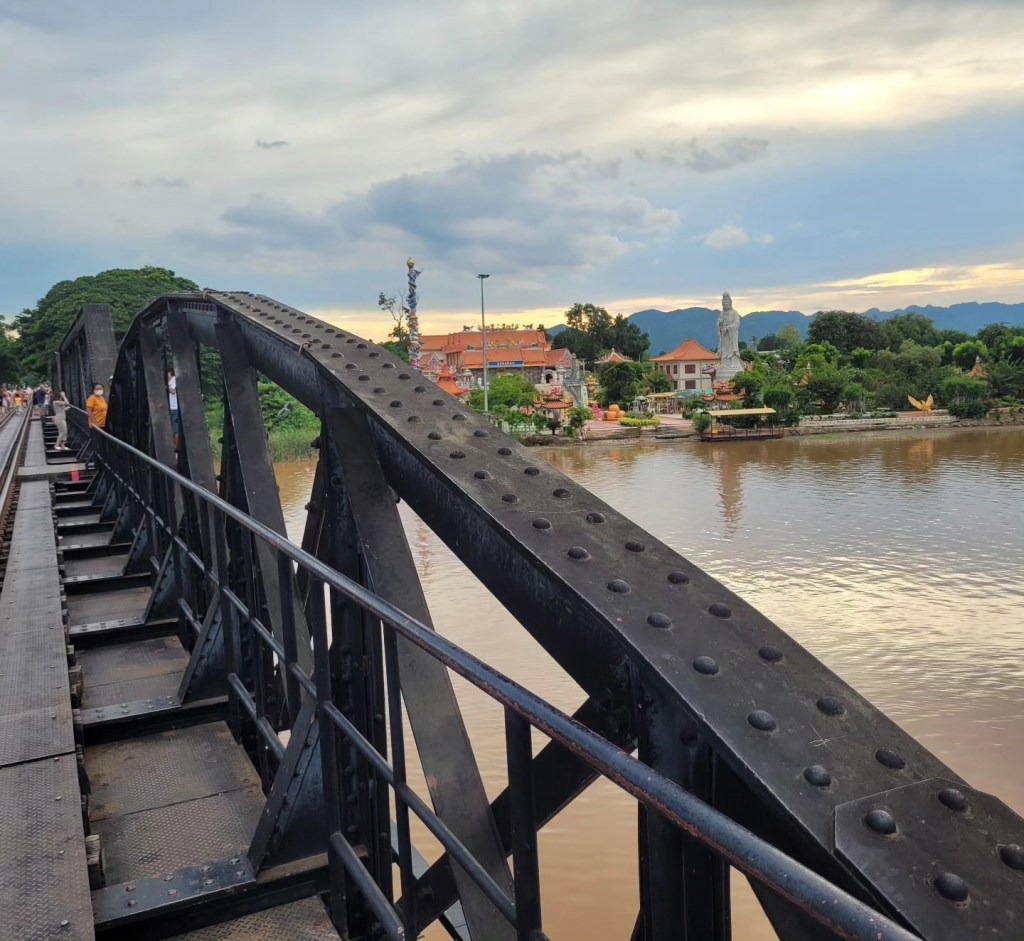
I spent a few hours chilling in my hostel before I decided to walk to the actual bridge over the River Kwai, which was exhausting.

Not pictured: Bloody drones.

By then it was late afternoon, and I was too worn out to spend much time walking around, I got a coffee and a nearby coffee shop, and then got a Grab back to my hostel.

The lovely, grandmotherly lady who owned the hostel fed me that night with local dishes cooked in her own kitchen, including Tom Yum soup, bamboo shoots and pickles, rice, and two varieties of chilli paste, as it is an article of faith amongst Thais that no dish cannot be improved by a little more bite. In return before dinner I headed over to Seven-Eleven to buy iced coffees for the two hosts. The next night my host fed me leftover papaya salad. No wonder I choose to book another night before braving Bangkok again.

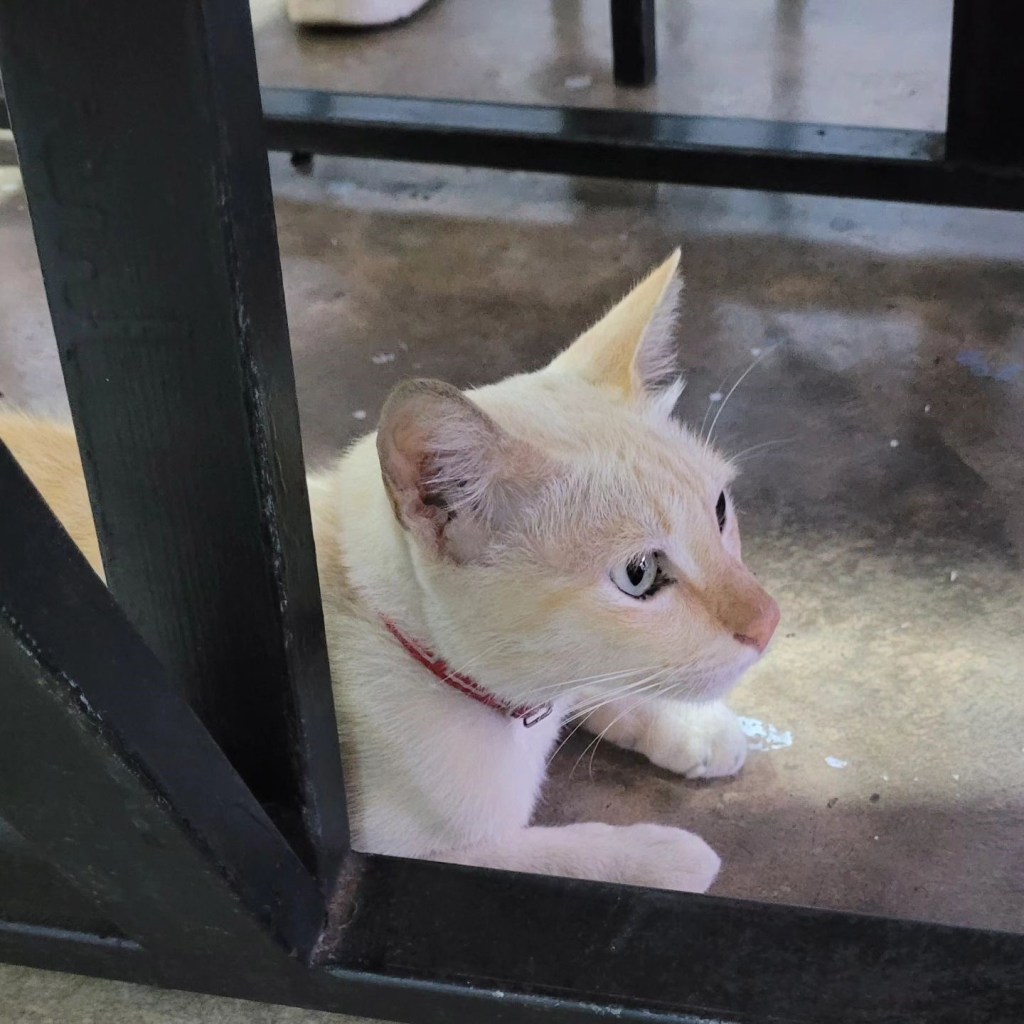
Hostel cat, which was not allowed to stay in the hostel overnight due to an unfortunate shitting incident.

The last night in Kanchanaburi I was showered, shaved and in bed by eleven. I promptly started coughing up a lung, and most likely part of my spleen as well. At midnight I dressed and left the hostel and braved crossing the four lanes of traffic to the Seven-Eleven for supplies. Back in the ground floor of the hostel, I sculled half a bottle of cough syrup, some alarmingly-labeled Chinese medicine, and paracetamol tablets, washed down with iced tea. Feeling slightly improved, I returned to the dorm, where I could only hope that my absence allowed my room-mates a chance to sleep.

If you liked this post, please check out the rest of the posts from this trip here!